Essential Home Water Filtration Systems to Combat Toxic PFAS Contaminants
- Jon Stevens
- Jun 6, 2025
- 5 min read
With the growing awareness of environmental toxins, the quality of water in our homes is more important than ever. One of the main offenders is PFAS (Per- and polyfluoroalkyl substances), often referred to as "forever chemicals" because they do not break down naturally in the environment. With their prevalence in water supplies, many households are turning to water filtration systems as a key line of defense.
This article highlights the best home water filtration systems specifically designed to combat PFAS contaminants, ensuring you secure clean water for your family.
Understanding PFAS and Their Risks
PFAS are a group of synthetic chemicals that have been in use since the 1940s and are present in everyday items like non-stick cookware, water-repellent clothing, and stain-resistant fabrics. Unfortunately, their durable nature means they stay in our environment and accumulate in the human body.
Numerous studies have linked PFAS exposure to serious health issues, such as liver damage, thyroid disease, and an increased risk of certain cancers. In fact, a study from the Environmental Protection Agency revealed that those exposed to high levels of PFAS may have a 40% greater risk of developing kidney cancer. Understanding how to effectively filter these chemicals is critical for safeguarding your family's health.
What Are Home Water Filtration Systems?
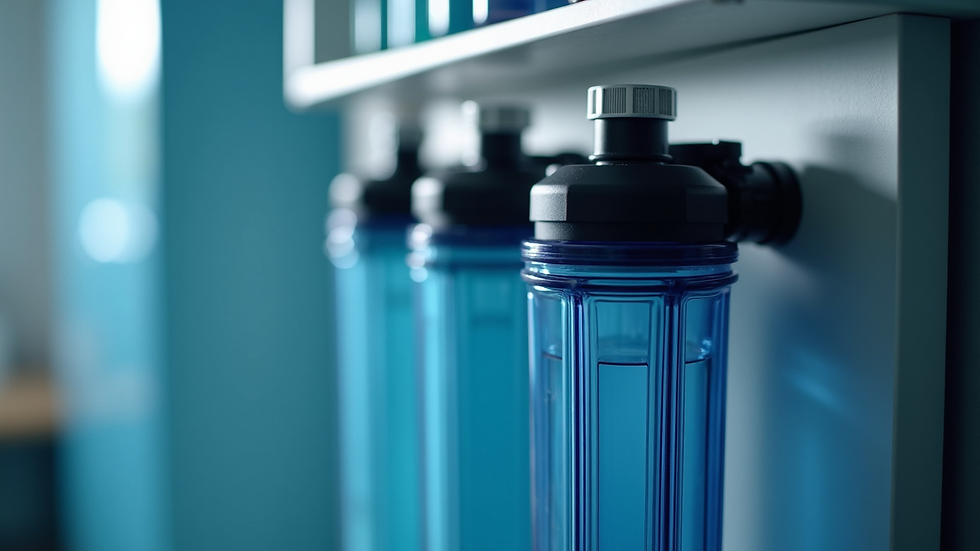
Home water filtration systems remove impurities from drinking water, enhancing its safety and taste. These systems come in various designs and technologies tailored to eliminate different contaminants, including PFAS.
Broadly, they can be classified into three categories: activated carbon filters, reverse osmosis systems, and multi-stage filtration units. Each type varies in effectiveness and application, yet systems designed to filter PFAS generally utilize advanced technologies.
Types of Water Filters That Remove PFAS
When selecting a filtration system that effectively removes PFAS, it is essential to understand which technologies work best. Here are three of the most reliable types of water filtration systems to consider:
1. Activated Carbon Filters
Activated carbon filters operate through adsorption to capture PFAS particles within the carbon material. These filters are often found in pitcher filters, faucet attachments, and under-sink models. While high-quality activated carbon filters can significantly decrease PFAS levels, they are not always effective against all PFAS types.
It is crucial to replace these filters based on the manufacturer's recommendations. Failing to do so can result in spent carbon releasing PFAS back into your water supply.
2. Reverse Osmosis Systems
Reverse osmosis (RO) systems utilize a semi-permeable membrane to remove a wide range of contaminants, including PFAS. These units are typically installed under sinks and are particularly effective for households focused on achieving high water purity.
While RO systems remove many contaminants, including heavy metals and nitrates, they can produce wastewater during the filtration process. On average, one gallon of filtered water results in about three gallons of wastewater, which is an important consideration for environmentally conscious users.
3. Multi-Stage Filtration Units
Multi-stage filtration systems combine various filtration methods to maximize contaminant removal. These systems typically use a mix of activated carbon, reverse osmosis, and specialized media targeting PFAS.
Usually installed as whole-house systems, multi-stage units guarantee that clean water is available at every outlet in your home, providing peace of mind for families looking to enhance water quality.
Key Features to Look for in Home Water Filtration Systems
When choosing a water filtration system aimed at combating PFAS, consider these important features to enhance its performance:
1. Certification
Always check for certifications from trusted organizations like NSF International or the Water Quality Association. These endorsements confirm that the filtration system has undergone rigorous testing for PFAS removal and can effectively filter out other harmful contaminants.
2. Filtration Speed
Evaluate how quickly the system produces filtered water. For larger households with higher water demand, slow filtration rates may be inconvenient. Look for systems designed for efficiency that can supply clean water without sacrificing quality.
3. Replacement Filter Cost and Frequency
Periodic filter replacements are necessary for maintaining your filtration system's effectiveness. Investigate the cost and frequency of replacement filters, as this can impact the long-term affordability of your solution.
Installation and Maintenance of Water Filtration Systems
Proper installation and ongoing maintenance are critical to ensure your filtration system operates efficiently. Here are some key considerations:
1. Professional vs. DIY Installation
For complex setups, like reverse osmosis or whole-house filtration units, hiring a professional is often a wise decision. This ensures proper installation, avoiding potential leaks or inefficiencies. Conversely, simpler systems like pitcher filters or faucet attachments can typically be installed by yourself. Always follow the manufacturer's instructions for best results.
2. Regular Maintenance
Routine maintenance involves changing filters according to the manufacturer's guidelines. Neglect can lead to diminished effectiveness and harmful contaminants re-entering your water supply. Some advanced systems come with reminders for filter replacement, making upkeep easier.
The Cost of Home Water Filtration Systems
Investing in a water filtration system can vary widely based on its features and effectiveness. Here’s a glimpse of potential costs:
1. Budget-Friendly Options
Pitcher filters and faucet-mounted systems are priced between $20 and $100. While these options are suitable for smaller households, they may not adequately serve larger families or those needing extensive contaminant removal.
2. Mid-Range Systems
Under-sink activated carbon filters and basic reverse osmosis systems typically fall within the $200 to $500 range. They deliver enhanced filtration and provide an excellent investment for families seeking reliable access to clean drinking water.
3. High-End Systems
Whole-house filtration systems and advanced multi-stage units can range from $800 to $3,000, depending on their size and capabilities. These systems are well-suited for larger households or anyone wishing to ensure high water quality across every tap.
Protecting Your Water Quality
The necessity of having access to clean water is crucial for our health and well-being. With the rising concerns surrounding PFAS and other contaminants, investing in an effective home water filtration system is not just an option—it's a necessity.
By understanding the various types of filtration systems and their strengths, you can safeguard your home as a safe haven for your family. Take the time to research and choose a system that meets your needs, providing peace of mind as you enjoy water directly from the tap.
Stay informed and proactive about your water quality—a commitment to good health that pays dividends both in the short and long term.
Atmospheric Water Generation
An innovative solution to supplying clean water for families.
Water made from air.
Condenses atmospheric moisture into water.
Not reliant on pipes or infrastructure.
No plastic bottles needed.
Removes particles, viruses and bacteria.
Adds alkaline minerals for superb drinkability.
No PFAS and microplastics detected




Comments